

MTG Strategy, Sequencing and Tactical Gameplay Decisions
Make stronger plays through practical analysis of combat, interaction, resources, and board states.
MTG Strategy, Sequencing and Tactical Gameplay Decisions
A strong line of play starts with the information available now—not the answer that becomes obvious after the game. MTGTactical examines MTG strategy through decisions made with a deck already in hand: what to cast, when to wait, which threat matters, how to sequence resources and where a calculated risk is justified.
The goal is not to prescribe one universal answer for every board state. It is to make the important variables visible. Mana, cards, life totals, turn order, known information, likely responses and each player’s incentives can all change the correct play. Understanding those tradeoffs helps you choose a line for a reason rather than following habit or reacting to the most dramatic thing on the table.
Find the Decision in Front of You
Start with the choice currently costing you games. For opening hands, examine mana, early plays and the consequence of a missed draw. For interaction, identify the last safe window to act and the value of waiting with mana available. For combat, compare damage, profitable blocks, crack-back risk and the role each player must take.
Commander adds more visible information, more opponents and more incentives to track. Threat assessment is not simply naming the strongest permanent; it means asking who can convert a resource into a win, who benefits if you intervene and whether another player can answer first. The same discipline remains useful across formats, even when the pace and stakes differ.

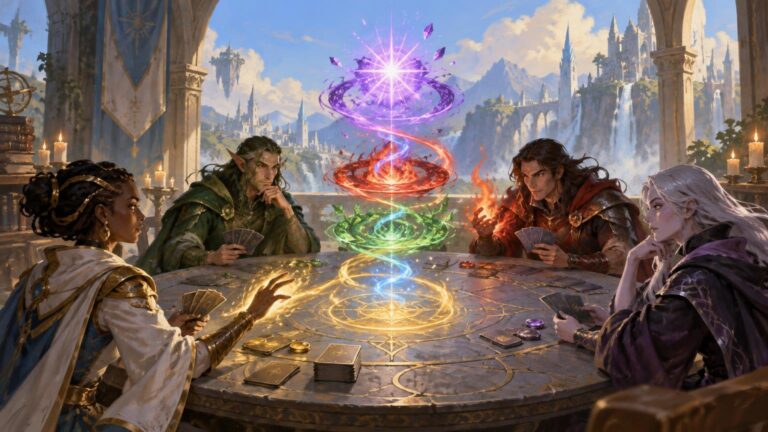

Turn Better Reasoning Into Better Plays
Improvement comes from making decisions visible enough to examine. Before committing to a line, state what you expect it to accomplish, what could punish it and which alternative you are declining. After the game, judge the choice using the information available at the time rather than the result alone or the frustration it created. A winning play can still be loose; a losing play can still be sound.
The practical next step is simple: choose one recurring decision that gives you trouble and study it deliberately. Whether that means opening hands, removal timing, combat or multiplayer threat assessment, focus on the variables that actually change the answer. Better tactical habits are built one decision point at a time, then reinforced through review.
Frequently Asked Questions
Who is MTGTactical for?
Magic players who know the basics and want to make stronger in-game decisions, especially in Commander and other formats where the same tactical concepts apply.
Does MTGTactical focus on deckbuilding?
The publication begins with a deck already in hand and focuses on playing it well rather than deck construction.
What gameplay decisions does the publication cover?
Coverage includes sequencing, combat, interaction, threat assessment, mulligans, resource use, multiplayer decisions and competitive play.
How does MTGTactical distinguish rules from strategy?
Rules explanations rely on current official rules and card text, while strategic recommendations explain the information, tradeoffs and board-state variables behind a choice.